Who we are
A regenerative education nonprofit rooted in land, learning, and culture
TribeX Museum exists to make sustainability tangible. We bring gardens, farms, and underused land back to life, then use them to teach food sovereignty, soil health, waste reduction, and creative environmental learning.
Our story
Built by educators, growers, and makers
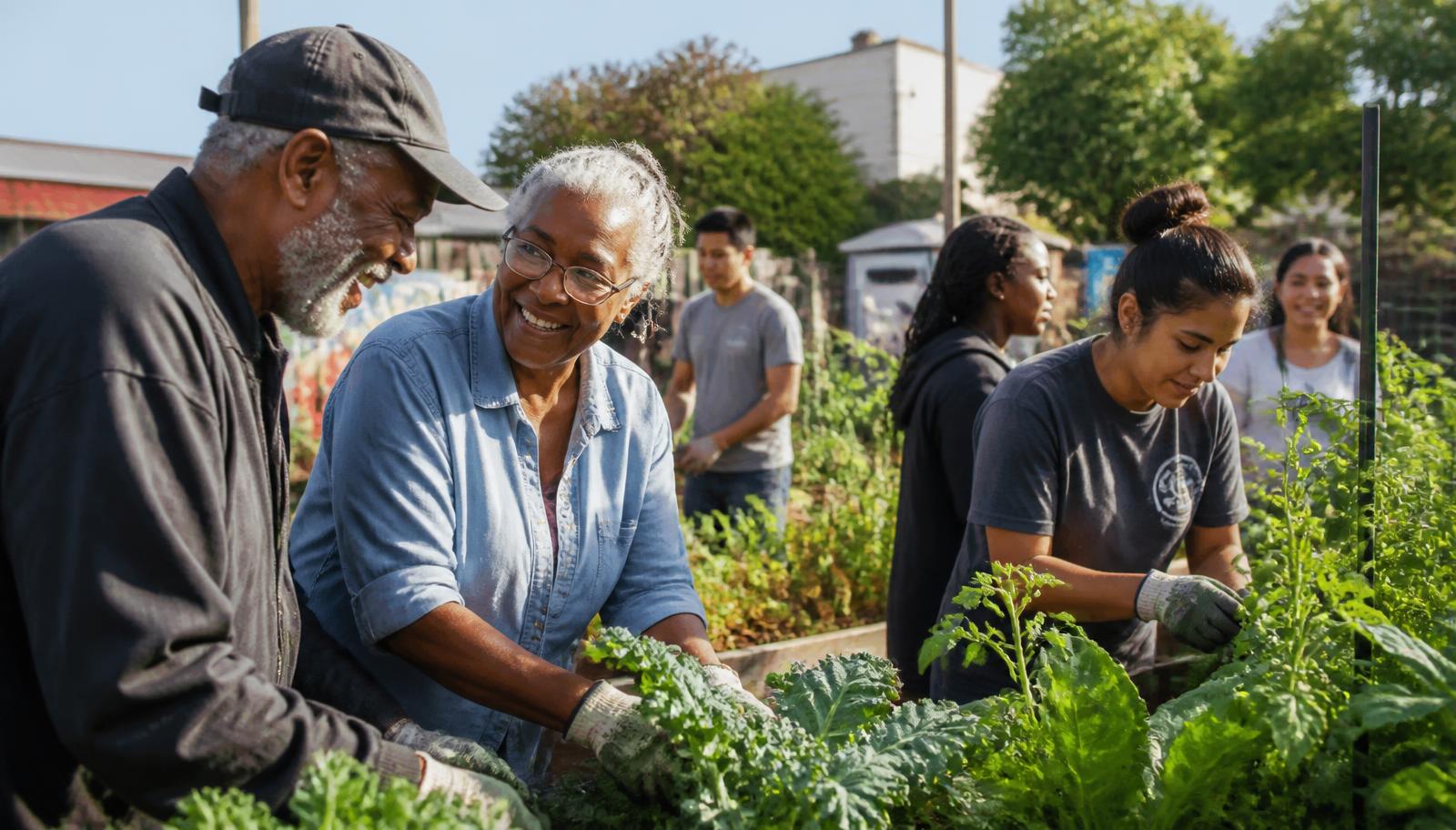
TribeX Museum began with a simple observation: communities were full of vacant lots, tired school beds, and abandoned garden projects — and full of young people hungry for hands-on learning. The missing link was never the land. It was consistent, well-designed programming.
Today we work as a partner to campuses, community gardens, youth programs, and nonprofit organizations across the full arc of a project: site assessment and permaculture design, build and restoration, educator training, curriculum delivery, and long-term activation. Our team blends regenerative agriculture education with classroom practice and creative media so learning lands in the head, the hands, and the culture.
As a 501(c)(3) nonprofit, we structure partnerships to be grant-fundable, board- friendly, and easy for partner leadership to approve and grow.
Mission & values
Our mission is to turn everyday land into everyday learning
We build ecological literacy, food sovereignty, and creative confidence through living classrooms that communities can sustain.
Regeneration over maintenance
We measure success by soil that improves, spaces that stay active, and people who keep growing after we leave.
Education first
Every bed, bin, and beehive is a teaching tool tied to real learning outcomes for real learners, from youth to adults.
Community ownership
Programs are co-designed with campus staff, families, and neighbors so the work belongs to the community.
Creativity as a doorway
Storytelling, media, fashion, and making invite learners who would never call themselves environmentalists.
FAQ
Frequently asked questions
Let's build a living classroom together
TribeX partners with campuses, community gardens, youth programs, and nonprofit organizations to design, build, and activate green spaces that teach.